Films to Die For
(2025)
Francisco Mazza was part of the creative team behind Films to Die For, serving as Supervising Sound Editor alongside Miriam Biderman.
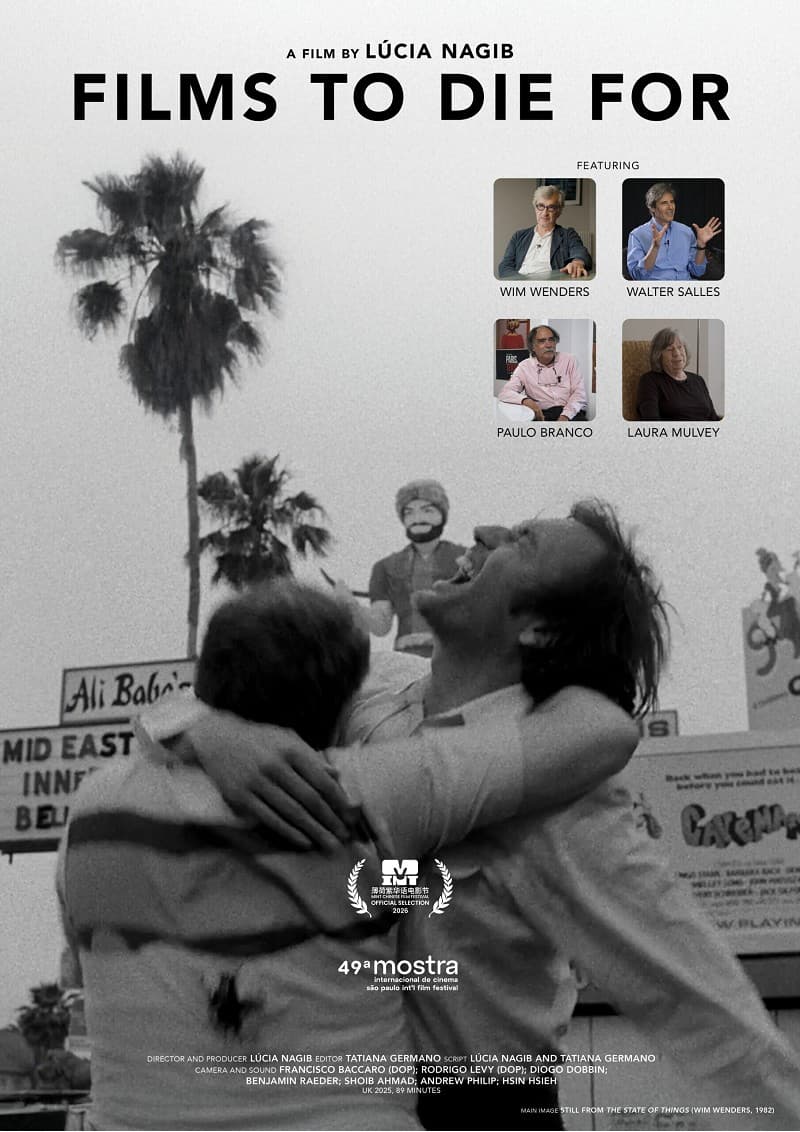
Directed by Lúcia Nagib, Films to Die For is an essayistic documentary exploring how cinema draws life from its own history, tracing the relationships, encounters and artistic influences that connect filmmakers across generations and continents. Bringing together scenes from European, Hollywood and Brazilian cinema, the film reveals how images, stories and ideas travel between works, creating an ongoing conversation that crosses geographical and cultural boundaries. At its centre is cinephilia: a love of cinema that shapes not only how films are watched, but how they are imagined and made.
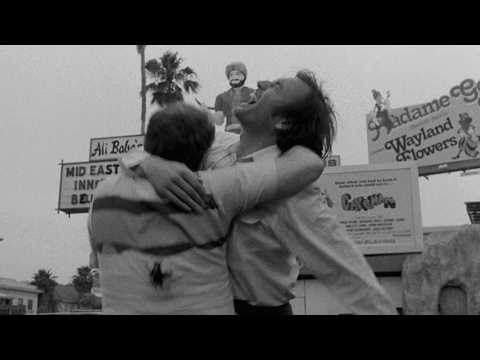
Taking Wim Wenders’s The State of Things (1982) as its starting point, the documentary follows a network of intersecting films and personal histories. It explores Wenders’s complicated collaboration with Francis Ford Coppola on Hammett, the connections between The State of Things and Raúl Ruiz’s The Territory, and the life and death of Brazilian filmmaker Glauber Rocha. These encounters open up wider questions about artistic commitment, the vulnerability of independent filmmaking and the recurring idea of the “death of cinema”.
Film excerpts are interwoven with original footage shot in Portugal, revisiting locations where these cinematic histories converge. Exclusive interviews with directors Wim Wenders and Walter Salles, film theorist and filmmaker Laura Mulvey, and Portuguese producer Paulo Branco bring personal perspectives to the films under discussion. Their recollections illuminate the friendships, creative exchanges, risks and passions behind the work, connecting the stories represented on screen with the circumstances of their production.
Combining film scholarship with documentary practice, Films to Die For approaches cinema as a shared artistic endeavour rather than a collection of isolated achievements. Its movement between films, places and voices offers an alternative to a linear history of the medium, showing how filmmaking is sustained through mutual admiration, collaboration and reinterpretation. The documentary becomes both a reflection on cinema’s fragility and an affirmation of its capacity for renewal through the enduring influence of one film upon another.
.jpg&w=3840&q=75)