Posthumanism in Digital Culture: Cyborgs, Gods and Fandom
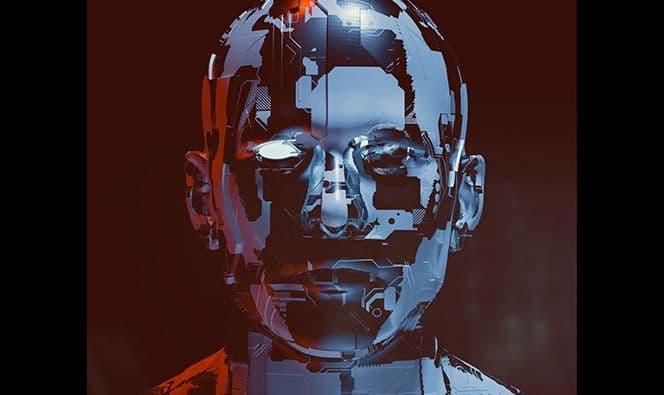
Posthumanism in Digital Culture: Cyborgs, Gods and Fandom explores how video games, science-fiction screen media and fan cultures engage with transhumanism and posthumanism: philosophies that question the boundaries of humanity and the possibilities of radically changing bodies and minds. The research examines how these ideas circulate through popular culture and how fans interpret, discuss and engage with them.
The study centres on three case studies: the video games Xenoblade Chronicles and Xenoblade Chronicles X, and the science-fiction film Ex Machina. Analysis of these works is combined with developer interviews and commentary, alongside interviews with fans and experts from different fields. This approach brings media texts, creative intentions and audience perspectives into dialogue, examining the relationship between speculative representations and the communities that engage with them.
The theoretical framework traces the development of humanism, anthropocentrism, and transhumanist and posthumanist thought, alongside scholarship on video games, science fiction and fandom. Three themes emerging from the interviews—body, identity and power—structure the analysis, connecting representations of human transformation with questions about selfhood, agency and authority.
By bringing together science fiction’s capacity to communicate speculative ideas and the interactive possibilities of video games, the research examines how these media contribute to the wider circulation of transhumanist and posthumanist thinking. It positions fandom as an important context for understanding how ideas about humanity and its possible futures are encountered, interpreted and debated.