Ariel Caine
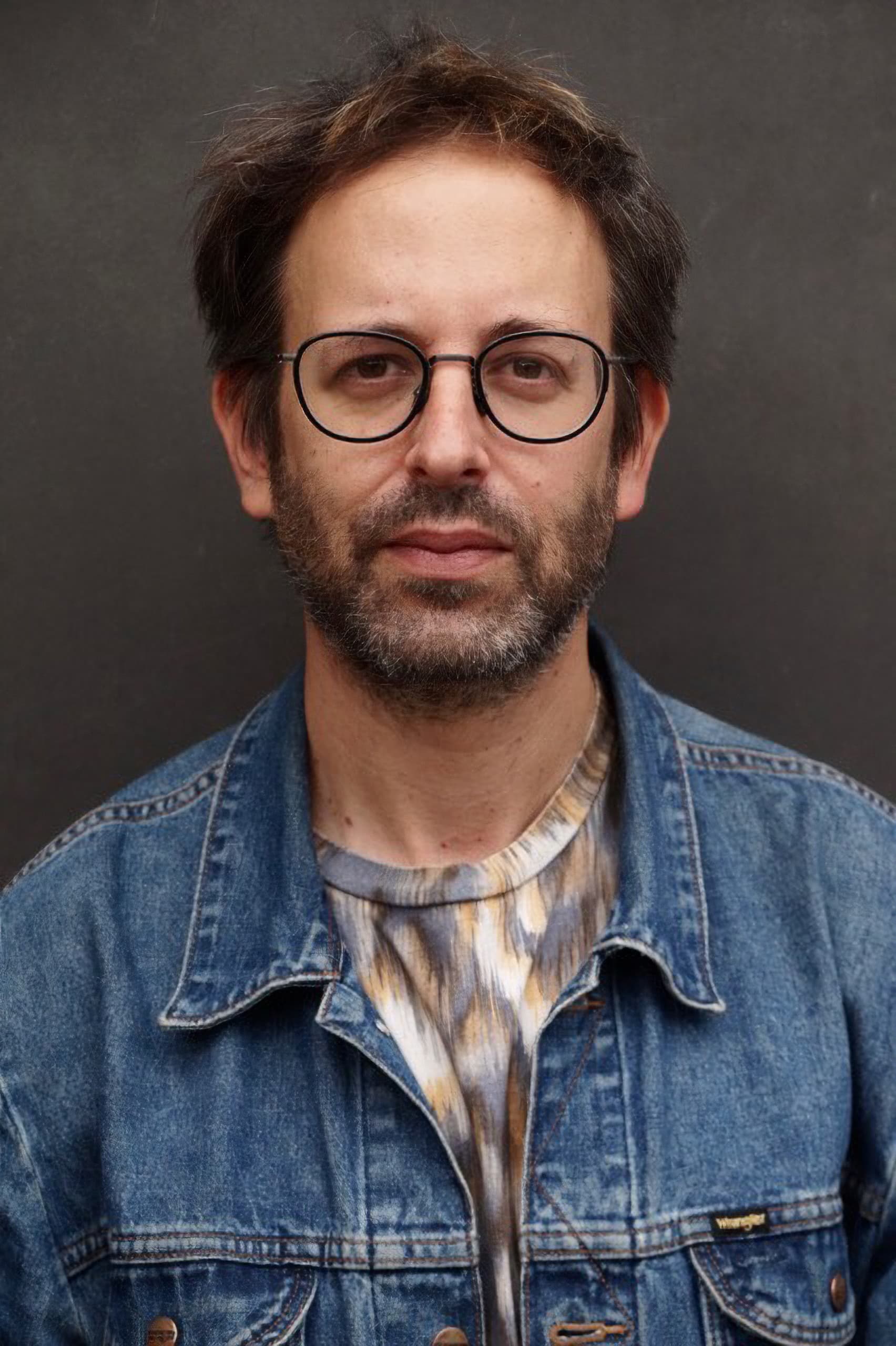
Ariel Caine is a London based, Jerusalem-born artist and researcher. His practice centres on the intersection of spatial (three-dimensional) photography, modelling and survey technologies, and their operation within the production of cultural memories and national narratives. An important component of his work in recent years is the construction of a collaborative work practice of photography as an act of aesthetic-political resistance on behalf of civil society.
Ariel is a Lecturer in Media Practice at the Department of Culture, Communication & Media at UCL.
In January 2023, alongside Kineret Lourie, he founded CHEMIST Gallery in southeast London.
Ariel received his PhD from the Centre for Research Architecture, Goldsmiths University of London where from 2016–21 he was a project coordinator and researcher at the Forensic Architecture Agency. In 2021–22 he received a postdoctoral research grant from Gerda Henkel Stiftung as part of the speculative cameras and post-visual security projects at Tampere University (Finland). During 2022-23 he was a post-doctoral research fellow at ICI-Berlin.
His works have been exhibited widely, in museums and galleries such as Tate Britain (Turner prize nomination with Forensic Architecture), Kunsthal Charlottenburg, MACBA (Barcelona), CCA (Tel Aviv) and Digital Art Lab (Holon). His writings appear in publications such as Journal of Visual Cultures, Philosophy of Photography Journal, Jerusalem Quarterly, Photo Researcher, and KALEIDOSCOPE. Ariel taught at The Royal College of Art (London), ISIA (Urbino), and the Bezalel Academy of Art & Design (Jerusalem).
What I Teach:
In BA Media Ariel leads the AR/VR Module for year 2, is part of the Degree show team. He contributes to the Practice Based Research modules and other teaching and programming across all 3 years of the programme.
UCL Profile link: https://profiles.ucl.ac.uk/97179-ariel-caine
Ongoing Projects:
Architecture of the Sensed: Models as Augmented Sites for Resistance (ongoing)
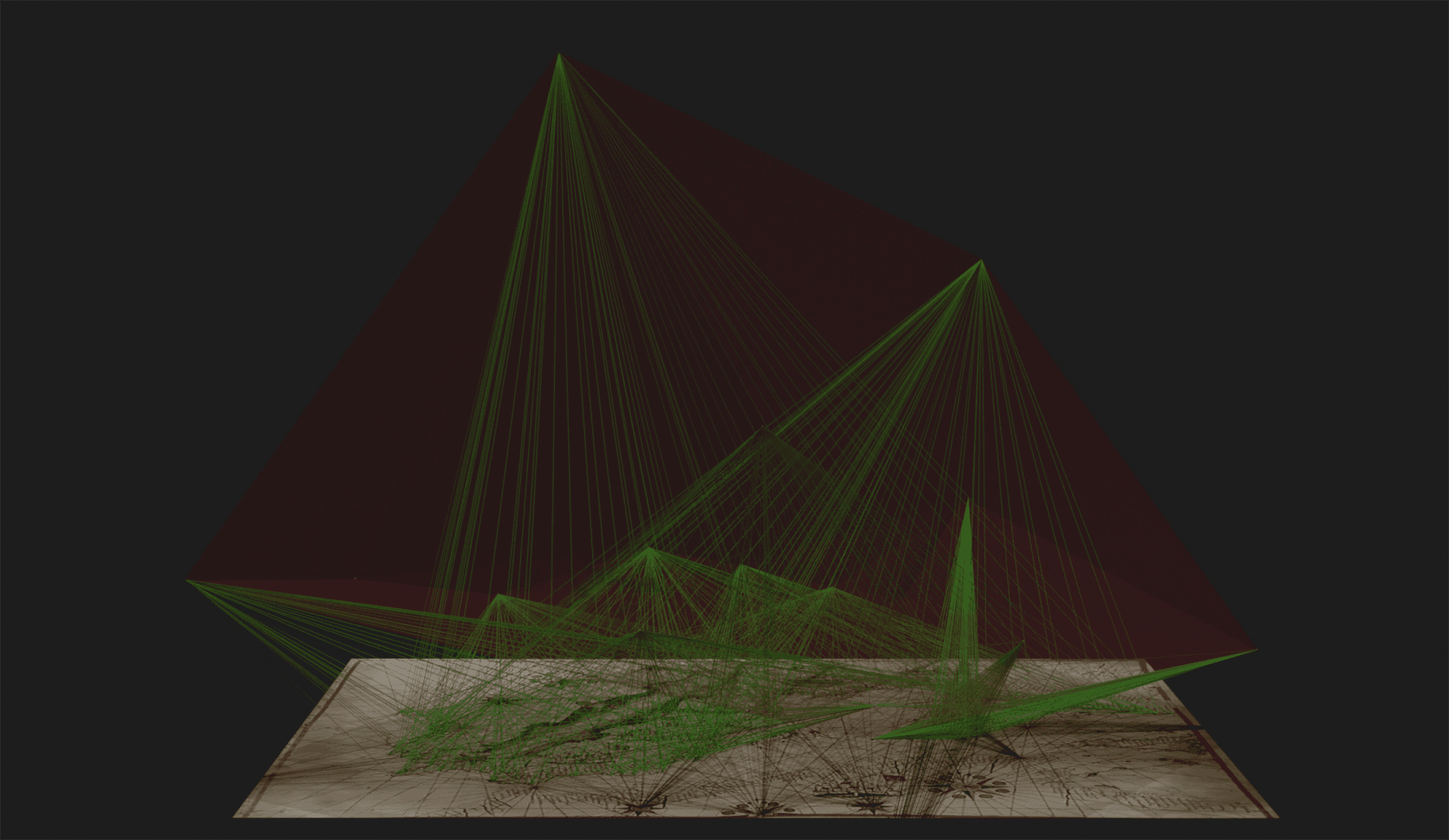
How can models render visible the increasingly opaque sensory infrastructures in the city? Moreover, under conditions of surveillance and control how could models understood as both 3D simulatory environments and experimental frameworks serve as augmented sites of resistance?
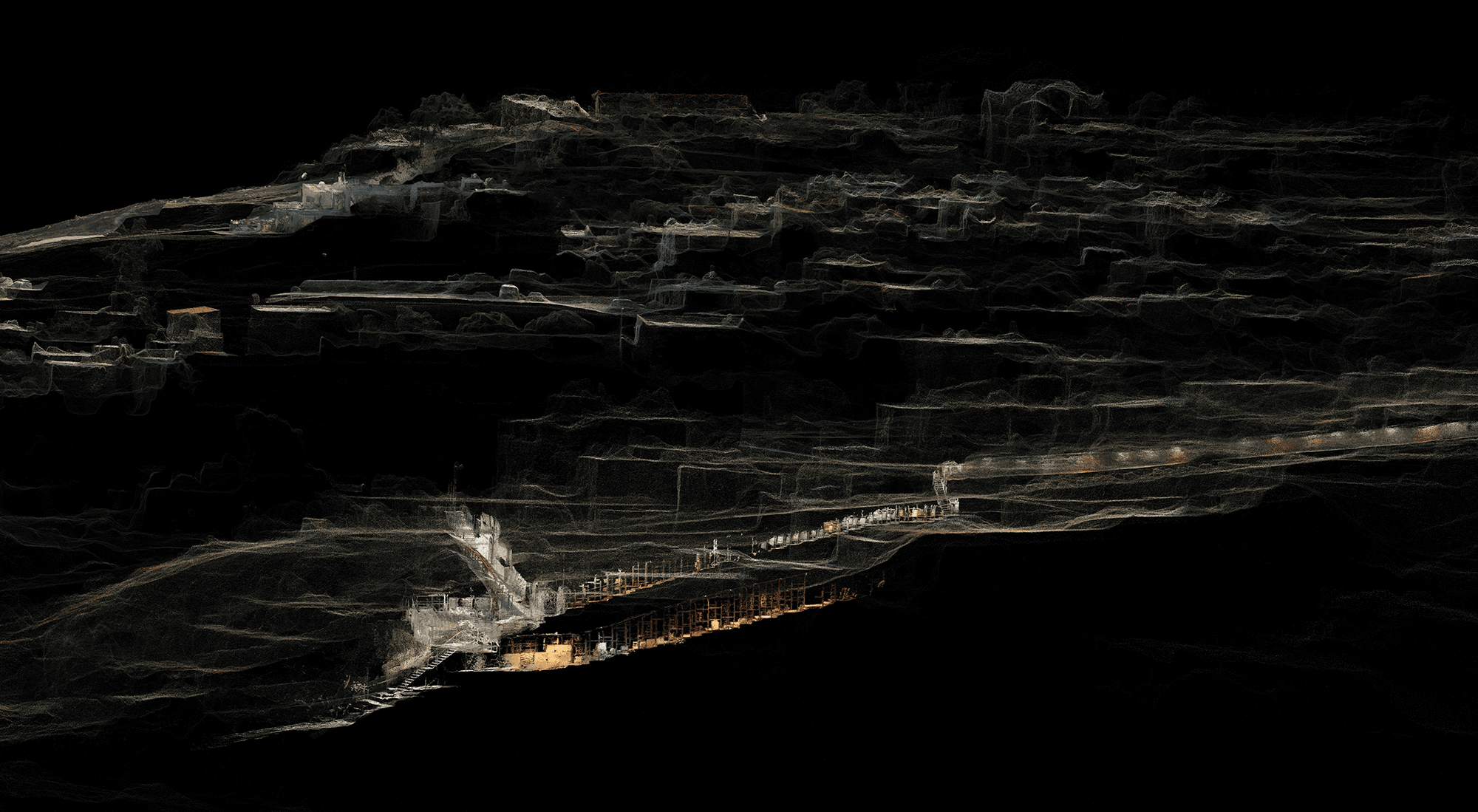
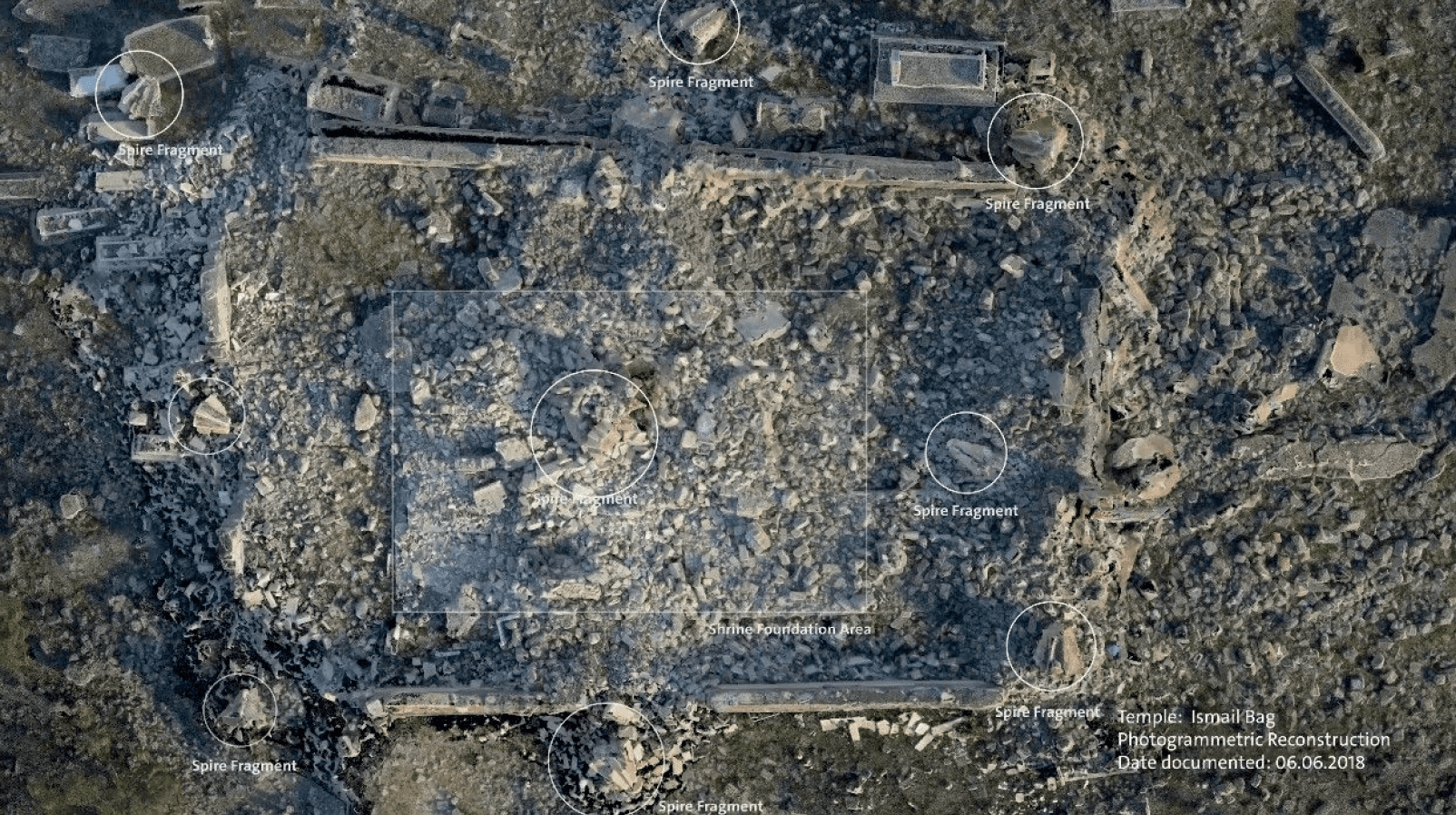
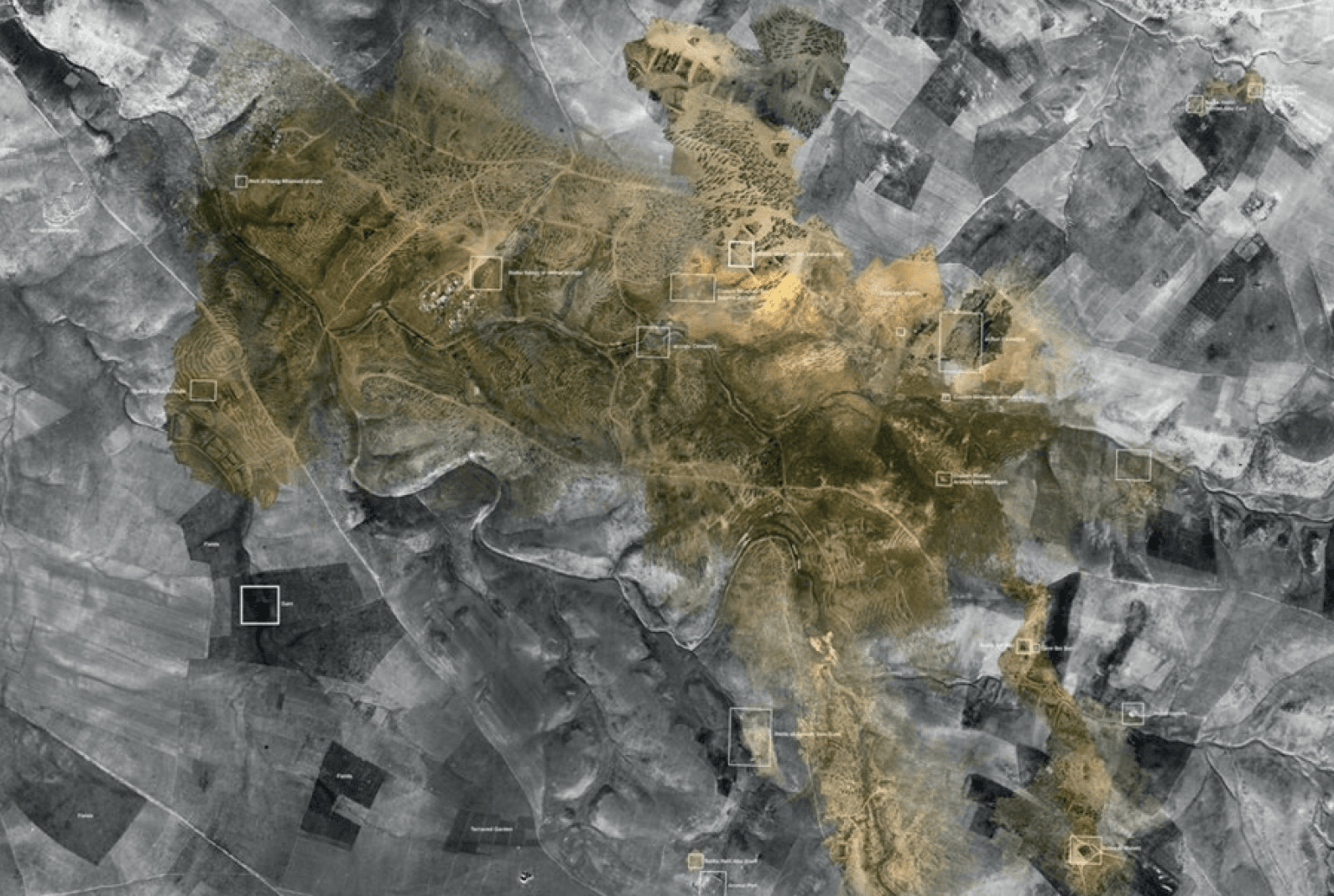
The project centres on the environs of Silwan, a Palestinian neighbourhood south of the Temple mount in occupied East Jerusalem. Expanding through the neighbourhood is the ‘City of David’, an interlinked archaeological excavation, tourism site, and Jewish-nationalist settlement project. Over the last three decades, Silwan has become one of the most entangled and densely surveyed areas in Palestine. From the underground to the skies, the volume of this site is networked with a myriad of sensory apparatuses, a dense constellation of electromagnetic computational media, central to ongoing processes of civil and military occupation.
While optical computational models are primarily used by state and corporate actors, they also offer new possibilities for resistance and processes of accountability. Drawing on local and global collaborations, this research seeks to explore the changing conditions of computational vision ‘in the wild’: its spatialization, the decision-making logics at its core, and the techno-social realities that form through and around its deployment. Spatial practice does not only produce model environments, as Caine proposes, it should be seen as offering a framework for the development of communities of practice. The site and the production of models not only offer the possibility for changed forms of visibility but simultaneously call for the development of methodologies for collective spatial practices of media. In this expanded sense, the model is an epistemological lens through which to critically engage with the complex interrelations between physical reality and the invisible infrastructural architectures of the sensed.
Collaborating researchers on this project are:
- Dr. Hagit Keysar
- Faiz Abu Rmeleh, Member of the collective ActiveStills and head of Camera Project at B’Tselem
- Dr. Rune Saugman Anderson, post visual security project, University of Tampere, Finland.
Publications:
- Geo-Endoscopies, Militant Media, Spector Books (Leipzig) & CRA Press (UK), 2024 (book chapter)
- “Auotmated Apartheid”, Amnesty Human Rights Report (external expert contributor), Amnesty International, 2023
- Silwan and City of David, Journal of Visual Culture, (Volume 20, Issue 2) 2021
The Speculative Camera (alongside Prof. Asko Lehmuskallio & Prof. Yanai Toister) – ongoing
What if we focused on different camera constellations in order to understand the future and history of photographies, instead of focusing on specific (photographic) representations? This turn towards the camera would not only take into account the kinds of devices commonly exhibited and listed as cameras, but would include the alternative forms and methods of measurement and electromagnetic sensing: sentient and non-sentient, historical and contemporary which are involved in developing our techno-visual imaginaries. The speculative camera project explicitly addresses the camera as an assemblage that includes not only particular photographic devices, but also a range of other techniques, technologies, and ways of being which form a backdrop for photographies. Four case studies focus on the relationships between photographies and: A. Navigational abilities practised by members of the animal kingdom; B. Human wayfinding, seafaring, and astronomy; C. Time of Flight systems and D. Computer vision practices of visual objectification, inference, and discrimination.
Project Website:
https://research.tuni.fi/visualstudieslab/speculative-camera/
Publications:
- The Speculative Camera (in Collaboration with Prof. Asko Lehmuskallio & Prof. Yanai Toister), Philosophy of Photography Journal, Intellect Books (October 2024) (peer reviewed)