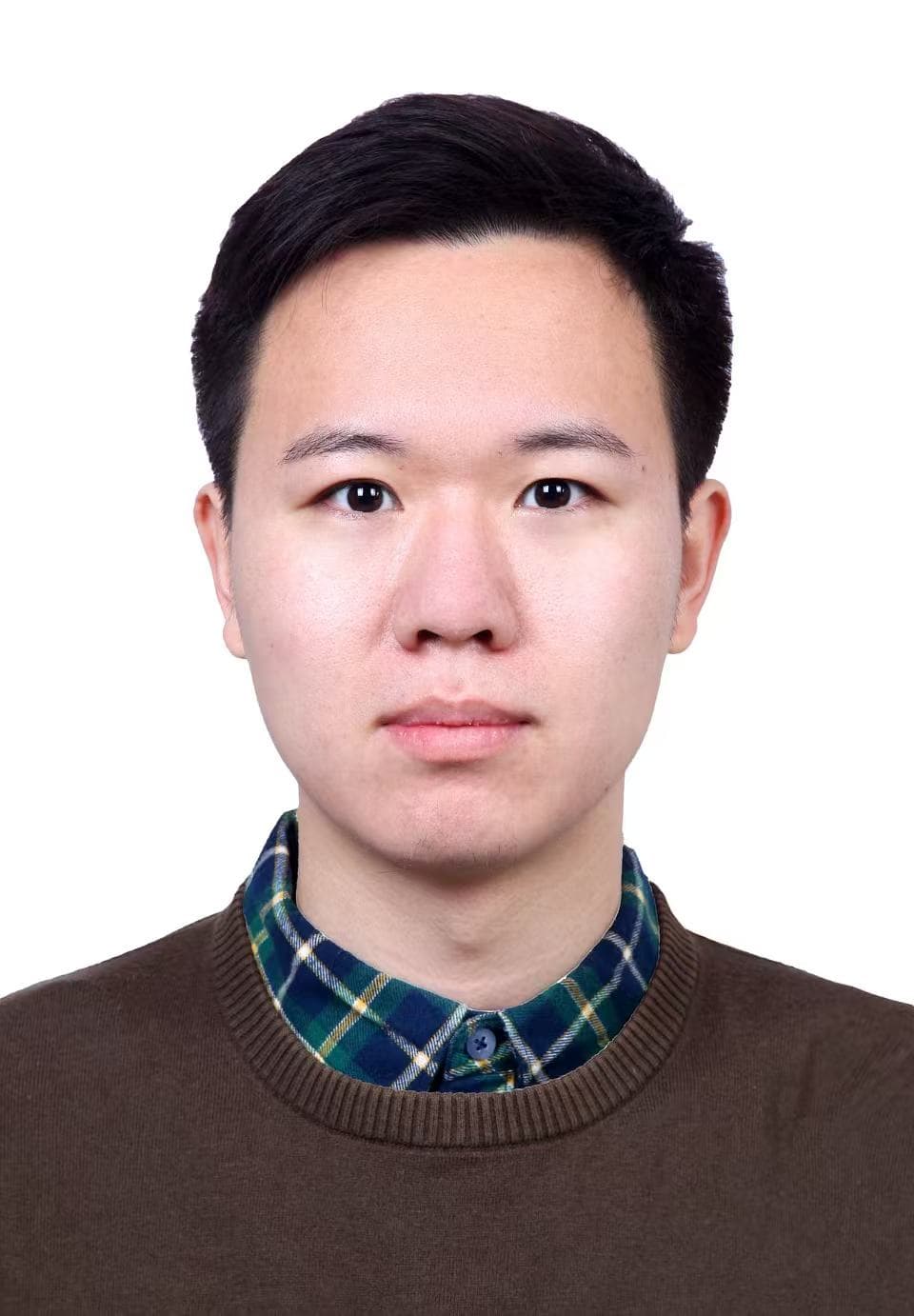
Wuwei Zhang
PhD Student
Bio
Wuwei Zhang is a designer and researcher interested in real-time interaction between multiple participants, particularly through shared generative systems.
His recent research explored how ambiguous vocal material between speech and music can be perceived and manipulated through interactive musical systems, with a particular interest in how meaning and agency emerge through real-time interaction.
His current doctoral research develops this interest through the concept of parallel co-formation, investigating how participants in shared, multi-user environments form meaning, recognise one another’s intentions, and develop emergent forms of collaboration. His broader research interests include multiplayer musical instruments, embodied interaction, collective creativity, and social experience through computational media.
Research Brief
My doctoral research explores real-time interaction between multiple participants in shared generative systems, with a particular focus on how collaboration can emerge without fixed roles, predefined goals, or explicit coordination. The research examines how people develop shared ways of acting and understanding while interacting simultaneously within the same generative environment.
I use the term “parallel co-formation” to describe this process: participants shape both the shared outcome and their understanding of one another through ongoing interaction. The project adopts a design science research approach, iteratively moving between the design of shared generative environments, their use in artistic and participatory settings, and the study of the collaborative behaviours that emerge within them. In this way, the systems function both as creative artefacts and as research instruments, while findings from observation and analysis feed back into subsequent design iterations and contribute to a developing knowledge base for multi-user interaction.
The project aims to contribute new ways of understanding and designing collective interaction, particularly systems that support creativity and social connection without imposing rigid structures. More broadly, it seeks to inform the design of future artistic, generative, and interactive environments in which collaboration can emerge naturally through interaction.