The Orfeo Group
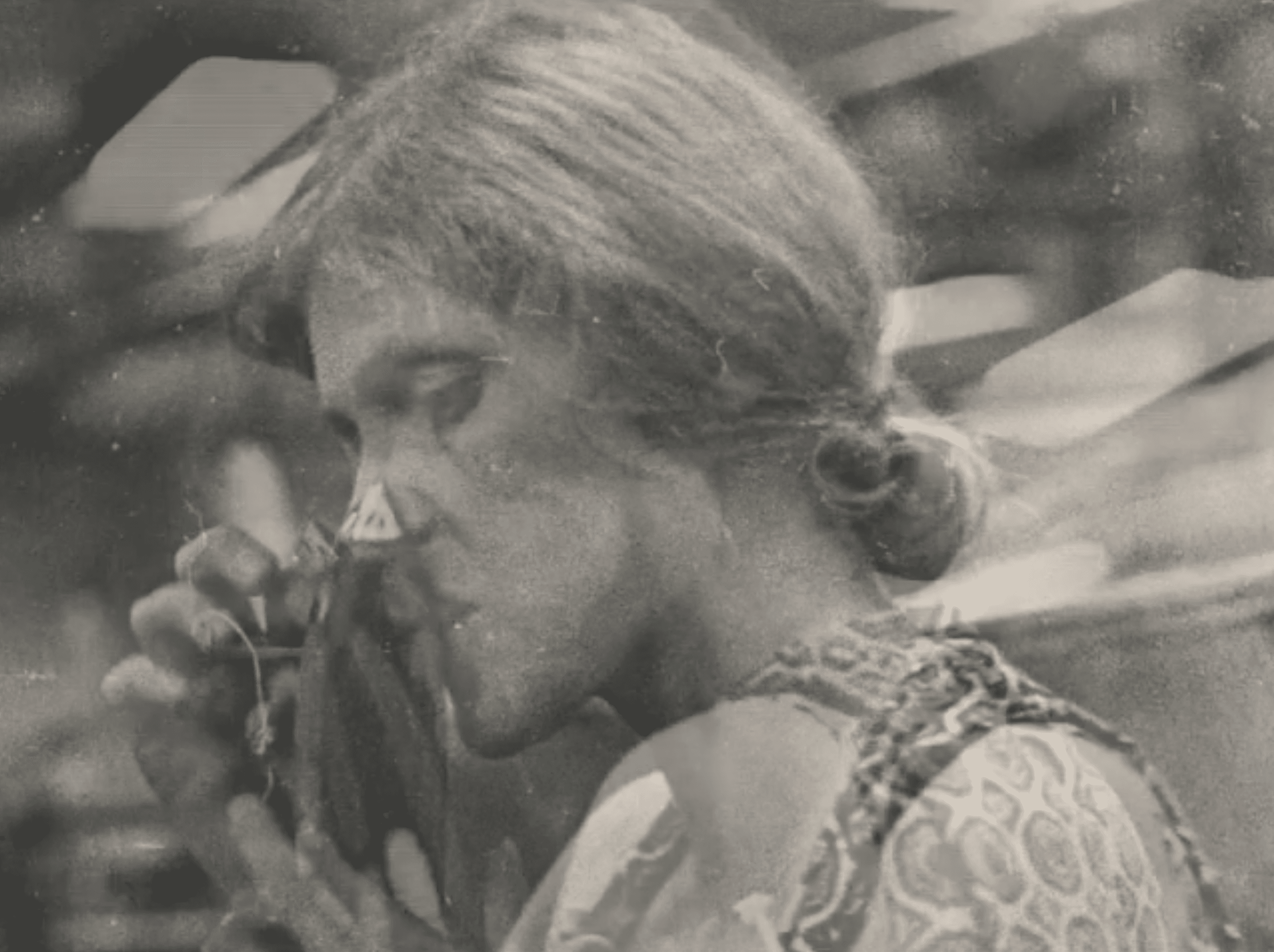
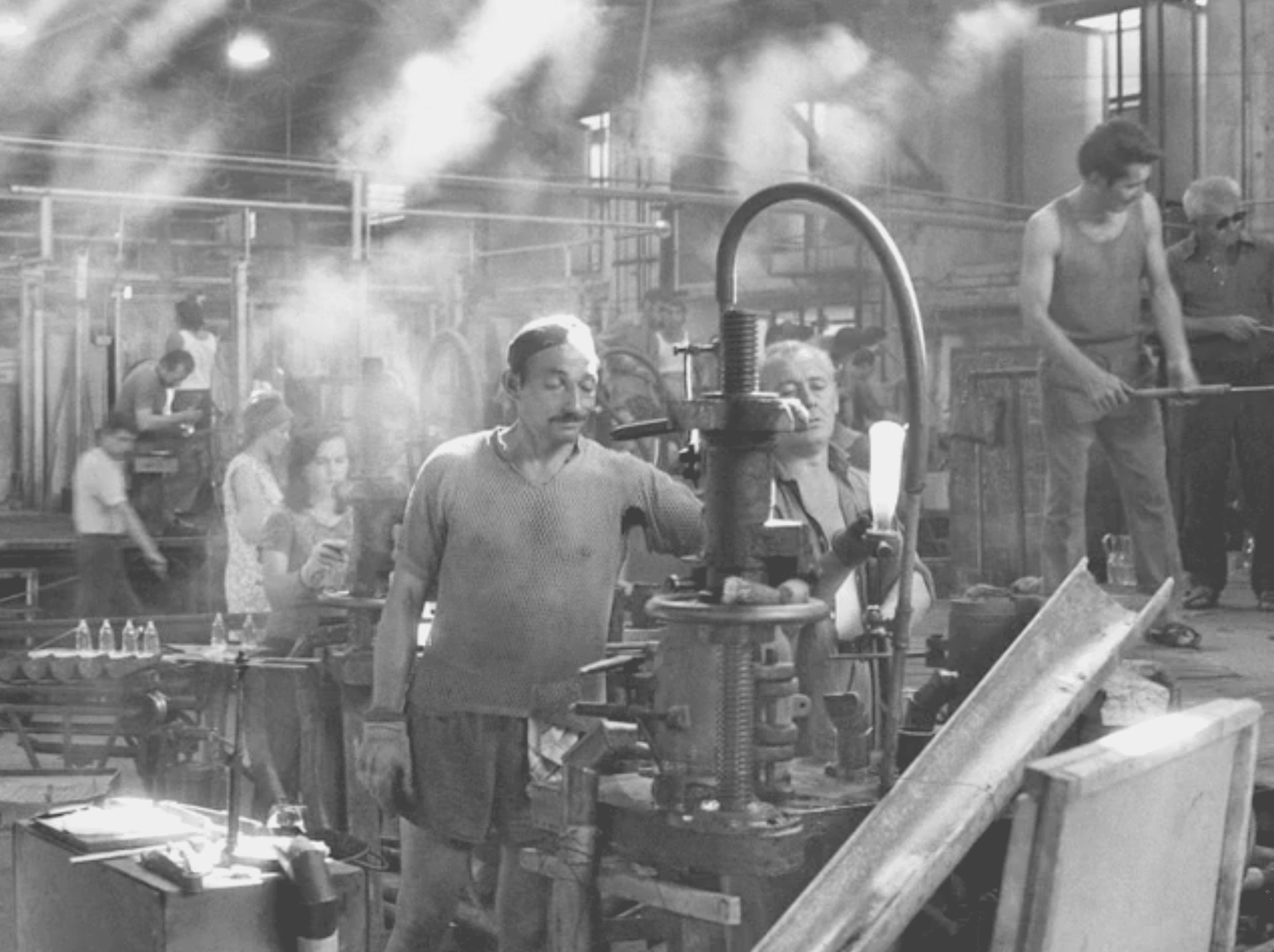
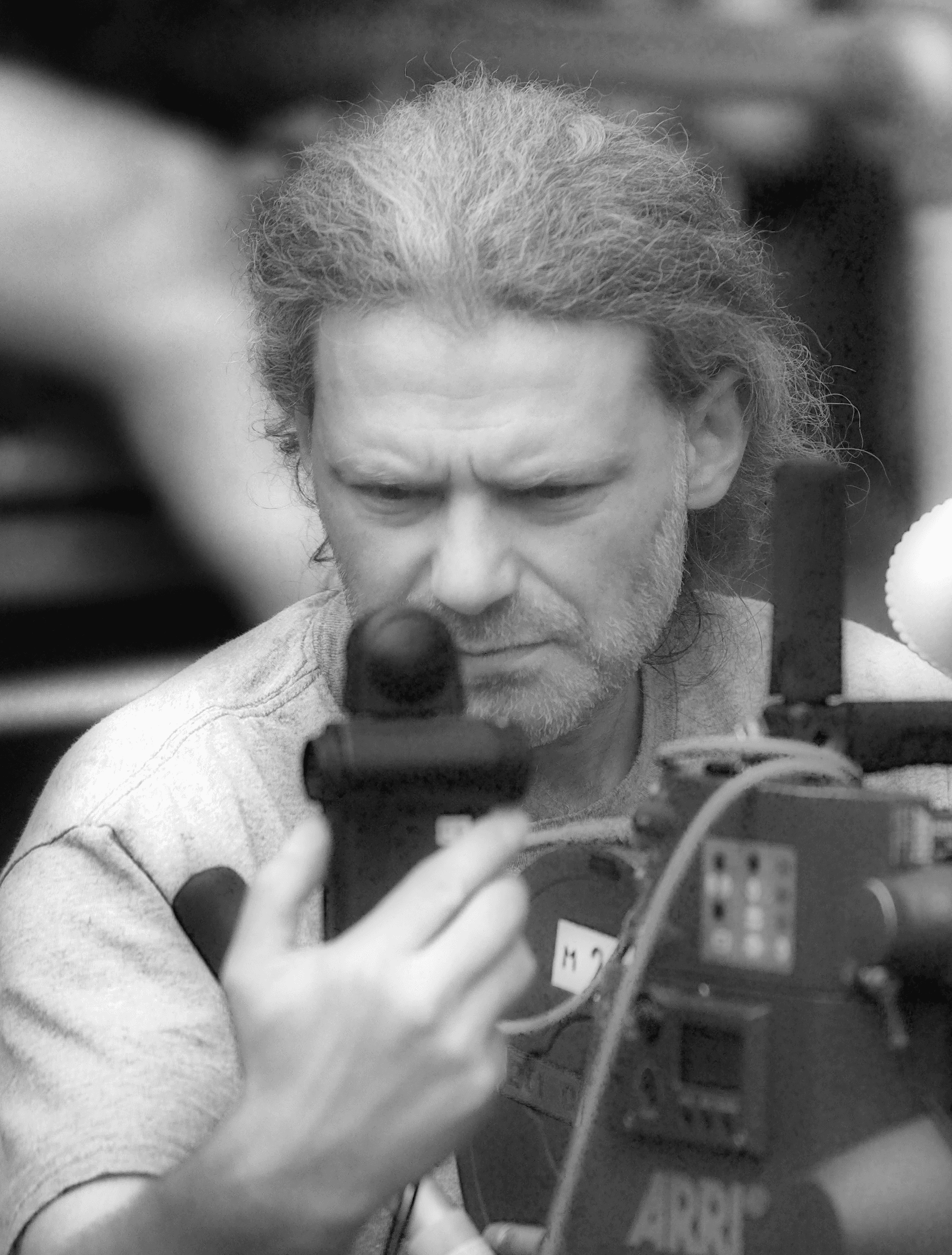
The Orfeo Group is a Hungarian documentary directed by Péter Fábry and István Nemes, with cinematography by György Beck and editing by Mari Miklós. Made in 2009, the 104-minute film revisits an artistic collective whose activities brought together performance, music, visual art and communal living. Its subject is the relationship between creative collaboration, political conviction and the practical difficulties of sustaining an alternative artistic community.
Orfeo emerged in 1969 around a puppet theatre initiative, subsequently incorporating a theatre company, musicians, visual artists and photographers. Influenced by the student movements of 1968 and New Left ideas, its members sought to connect artistic experimentation with social engagement. The COURAGE cultural heritage research project documents how members built communal houses in Pilisborosjenő between 1972 and 1974, combining shared domestic life with creative work. This history provides the context for understanding the collective as more than a performance ensemble.
The documentary’s published synopsis foregrounds political debates, artistic dilemmas and personal conflicts throughout the group’s activities in the 1970s. It also addresses the pressure exerted by the authorities and the press. Rather than treating artistic production as separate from its circumstances, the project considers the community within which performances, images and ideas were developed. Fábry’s involvement is relevant: the COURAGE registry identifies him among Orfeo’s founders, connecting the film’s authorship directly with the history it revisits.
The film was screened at Blinken OSA Archivum in Budapest on 8 November 2019, alongside a discussion with Fábry, Nemes and historian Orsolya Ring. Presented within the gallery’s exhibition programme, this screening placed the documentary in conversation with historical research and public discussion. Within Beck’s practice, the project represents cinematographic collaboration on a sustained examination of artistic community. It offers an entry point into questions of collective authorship, cultural memory and the relationship between everyday life and creative ambition.